



How to track vaccines and medications across foster homes
Updated · 6 min read · By the Second Tail team
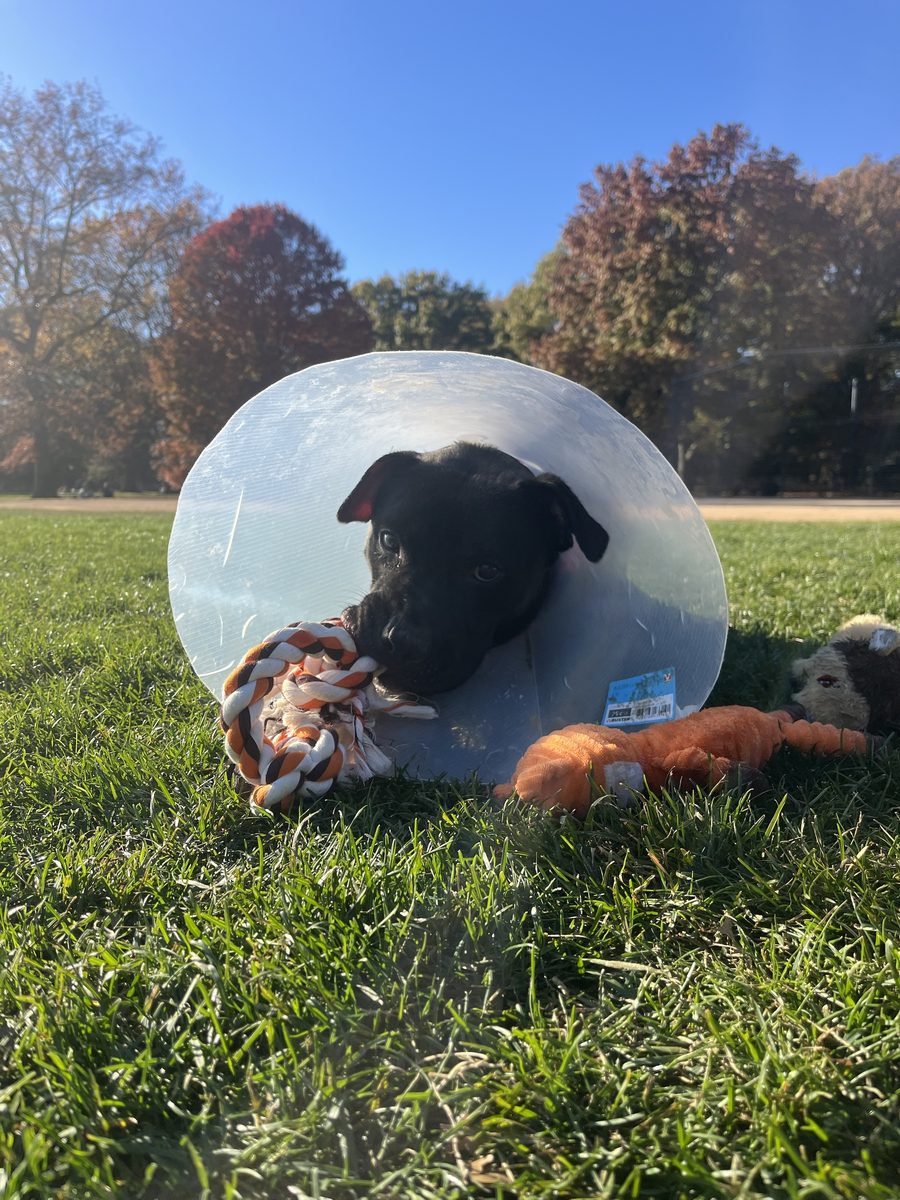
Keep one health record per animal, owned by the rescue, with the date each dose was given and the date the next one is due. Review everything due in the next week on the same day each week, remind the foster ahead of time, and record the dose as soon as it is given. The schedule lives with the animal, not in a coordinator's memory or a foster's texts.
Why it slips in foster programs
In a shelter, the animals are in one building and the vet tech walks past them every day. In a foster program, every animal is in a different home, the vaccine card might be in a foster's kitchen drawer, and the coordinator who set the schedule is also doing intake, adoptions and a day job. Boosters get missed not because nobody cares but because nobody is looking at the whole list.
What to record for every animal
- Vaccines: each dose, the date given, the product, and the date the next one is due.
- Deworming and preventives: flea, tick and heartworm, with the repeat interval.
- Medications: name, dose, how often, start and end date, and who gives it.
- Procedures and tests: spay or neuter, microchip number, test results.
- Weight: especially for young animals, where weight decides when a procedure can happen.
Intervals depend on the species, age and product, so set them with your vet. The point of the record is that once a dose is logged, the next due date exists somewhere the team can see.
A weekly routine that works
- Same day every week, list every dose and appointment due in the next seven to ten days.
- Message each foster with what is due, when, and where to go.
- Ask the foster to confirm once it is done, then log the dose and the next due date.
- Anything overdue gets a call, not another text.
If the list is long enough that this takes more than half an hour, the tracking is the problem, not the team.
Spreadsheet or software?
A spreadsheet works if one person keeps it and checks it weekly: one row per dose with columns for animal, foster, item, date given and next due, sorted by next due. It struggles with repeating items (monthly preventives) and with getting reminders to fosters, which is where software earns its keep. Our guide to foster management software covers what to look for.
Where Second Tail fits
Second Tail keeps a health schedule for each animal: vaccines and monthly preventives with their repeats. The foster gets a reminder when something is coming due, and the rescue gets a heads-up too. Overdue vaccines and medications show up on the rescue's home page under “Needs you”, and everything with a date sits on one calendar alongside vet visits and appointments.
Fosters can post updates with weight from their phone, and the rescue sees weight charts for each animal. The full medical history and documents stay on the animal's profile through to adoption. Pair it with a written care sheet so the foster always knows the plan.
Common questions
How do rescues keep track of vaccines for animals in foster homes?
Each animal needs one health record with the date of every dose given and the date the next one is due, kept by the rescue rather than the foster. Someone reviews what is due each week, and the foster gets a reminder with enough notice to book the visit or give the dose.
Who is responsible for an animal's vaccines while it is in foster care?
The rescue. Fosters give medications and bring animals to appointments, but the rescue owns the schedule, approves the vet visits and keeps the records, because the history has to follow the animal to its next home and to its adopter.
How often do puppies and kittens need vaccines?
Young animals usually get a series of boosters a few weeks apart until they are old enough, then a booster later on. The exact schedule depends on the species, the animal's age, the vaccine and your vet's protocol, so set it with your vet and record each due date as soon as a dose is given.
What should be in an animal's medical record when it is adopted?
Every vaccine with its date, deworming and flea, tick or heartworm preventives given, spay or neuter, microchip number, test results, any conditions and medications, and the vet the animal saw. Adopters' vets will ask for it.
What if a foster misses a dose of medication?
They should tell the rescue straight away rather than doubling up, and the rescue should ask its vet what to do. Make this part of the care sheet so fosters don't have to guess.